In the dynamic landscape of modern marketing, where every click, view, and interaction can be tracked, data-driven marketing has emerged as a pivotal force. By harnessing the power of analytics, marketers can make more informed decisions, optimize strategies, and enhance overall performance. In this article, we will delve into the importance of data-driven marketing, explore key analytics tools, and provide practical tips for leveraging data to drive better decision-making.
Data is more than just numbers; it’s actionable insights waiting to be unlocked. Data-driven marketing involves using this information to understand customer behavior, preferences, and trends. The goal is to create targeted and personalized campaigns that resonate with the audience, ultimately driving better results.

Table of Content:
- Benefits of Data-Driven Marketing
- Analytical Tools to Use
- Practical Tips for Effective Data Utilization
Benefits of Data-Driven Marketing:
- Precision Targeting: By analyzing customer data, marketers can create highly targeted campaigns, reaching the right audience with the right message at the right time.
- Improved Customer Experience: Personalized experiences based on data insights lead to improved customer satisfaction, loyalty, and retention.
- Optimized Campaigns: Analytics help identify high-performing channels and strategies, allowing marketers to allocate resources effectively and optimize campaign performance.
- Real-time Adaptability: With instant access to data, marketers can quickly adapt their strategies based on changing market trends and consumer behavior.
Analytical Tools to Use
To leverage data effectively, marketers need the right tools. Here are some essential analytics tools that can empower your data-driven marketing efforts:
1. Google Analytics:
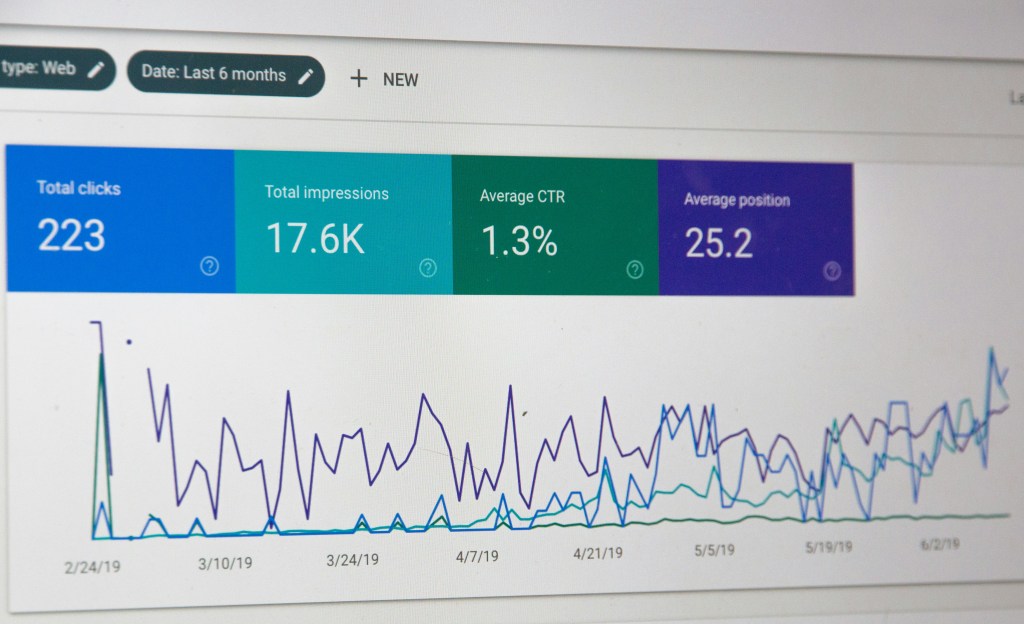
A comprehensive web analytics tool, Google Analytics provides insights into website traffic, user behavior, and conversion metrics. By understanding how visitors interact with your site, you can make data-backed decisions to enhance user experience and improve conversions. With Google Analytics, marketers can delve deep into visitor demographics, behavior flow, and conversion paths. By analyzing this data, they gain invaluable insights into user preferences and engagement levels. Moreover, the platform’s advanced features, such as goal tracking and e-commerce tracking, enable marketers to measure campaign effectiveness and optimize website performance accordingly.
2. HubSpot Analytics:
HubSpot offers a suite of analytics tools that cover various aspects of inbound marketing. From tracking lead interactions to monitoring social media engagement, HubSpot Analytics provides a holistic view of your marketing efforts. By analyzing metrics such as website traffic, lead generation, and email marketing performance, marketers can gain actionable insights to refine their strategies and drive better results. Additionally, HubSpot’s robust reporting capabilities allow for easy visualization and interpretation of data, making it an indispensable tool for data-driven marketers.
3. Mixpanel:
For businesses focused on mobile app marketing, Mixpanel is a powerful analytics solution. It helps track user interactions within your app, enabling you to optimize features and user journeys. By gaining a deeper understanding of how users interact with their apps, marketers can identify pain points, optimize features, and enhance the overall user experience. Moreover, Mixpanel’s advanced segmentation and funnel analysis features enable marketers to target specific user segments and optimize user journeys for maximum engagement and conversion.
4. SEMrush:
SEMrush is a versatile tool that combines SEO, PPC, and content marketing analytics. It provides valuable insights into keyword performance, competitor analysis, and overall online visibility. With SEMrush, marketers can identify high-value keywords, track their rankings, and analyze competitors’ strategies to gain a competitive edge. Moreover, SEMrush’s content marketing toolkit enables marketers to optimize their content for search engines and maximize their online visibility.
5. Appsflyer:
Appsflyer is a leading mobile attribution and marketing analytics platform, allowing marketers to track and analyze the performance of their mobile app marketing campaigns. It provides insights into app installs, user engagement, and revenue attribution, empowering marketers to optimize their app marketing strategies and drive better results. Appsflyer enables marketers to track the entire user journey from app install to conversion, providing insights into user acquisition channels, in-app engagement metrics, and revenue attribution. By gaining visibility into the performance of their app marketing campaigns, marketers can identify high-performing channels, optimize their ad spend, and maximize their return on investment (ROI). Additionally, Appsflyer’s advanced attribution modeling and fraud detection capabilities ensure accurate and reliable measurement of app marketing performance, enabling marketers to make data-driven decisions with confidence.
Practical Tips for Effective Data Utilization
Now that we understand the importance of data-driven marketing and have identified some key analytics tools, let’s explore practical tips for leveraging data in your decision-making process:
1. Set Clear Goals and KPIs:
Before diving into data analysis, define your marketing goals and key performance indicators (KPIs). Whether it’s increasing website traffic, boosting conversion rates, or enhancing brand awareness, having clear objectives will guide your data-driven strategies.
2. Segment Your Audience:
Use data to segment your audience based on demographics, behavior, and preferences. Tailoring your messages to specific segments allows for more personalized and effective communication.
Example: A clothing retailer analyzing purchase history might discover a segment of customers who consistently buy winter apparel. This insight can inform targeted promotions as the winter season approaches.
3. Monitor Customer Journey:
Map the customer journey from awareness to conversion. Analyze touchpoints and identify areas where customers may drop off. This information is crucial for optimizing the user experience and streamlining the path to conversion.
Example: An e-commerce website noticing a drop-off in the checkout process might use data to identify usability issues or offer incentives to encourage completion.
4. A/B Testing:
Experiment with different elements of your campaigns through A/B testing. Whether it’s testing email subject lines, ad creatives, or landing page layouts, A/B testing allows you to identify what resonates best with your audience.
Example: A software company testing two different email subject lines can analyze open rates to determine which one generates higher engagement.
5. Embrace Predictive Analytics:
Utilize predictive analytics to forecast future trends and customer behavior. By identifying patterns in historical data, you can make proactive decisions and stay ahead of the competition.
Example: A subscription-based service might use predictive analytics to anticipate when customers are likely to churn, allowing them to implement retention strategies in advance.
In the ever-evolving landscape of marketing, data-driven decision-making is not just a trend—it’s a necessity. By embracing analytics tools and implementing practical strategies, marketers can unlock the full potential of data to drive targeted, personalized, and successful campaigns. The journey to becoming a data-driven marketer starts with understanding your goals, utilizing the right tools, and continuously refining your approach based on actionable insights. Remember, in the realm of data-driven marketing, knowledge is power, and the right data can be the key to unlocking marketing excellence.
 Cinthya
Leave a comment