
In recent years, the intersection of feminism and environmentalism has garnered significant attention, giving rise to a powerful movement known as ecofeminism. This ideology challenges the patriarchal structures that exploit both women and the environment, advocating for a more holistic and equitable relationship between humanity and nature. I will share a little bit more about the essence of ecofeminism, exploring its core principles, real-life examples, and why it holds paramount importance in our modern world.
Ecofeminism, at heart, is all about understanding the deep connection between the challenges women face and the harm we’re doing to our environment. It’s rooted in the idea that the same mindset that leads to sexism and environmental damage—a mentality of control and use—is something we need to challenge and change. Ecofeminism is all about promoting a world where everyone and everything is treated fairly and sustainably.

One of the key beliefs in ecofeminism is recognizing how the misuse of women’s bodies and the Earth’s resources mirror each other. Just as women’s work and personal autonomy haven’t always been valued or respected, nature has often been seen as an unlimited resource there for our exploitation and consumption. Ecofeminism is on a mission to change that!
It’s tough to see, but the battle against environmental degradation actually hits women the hardest, especially those from underserved communities. Just think about it. In places where industrial pollution is running unchecked, women often shoulder the responsibility of caregiving. This means they directly deal with the health issues that come from polluted water, air, and soil. To add to that, climate change-induced natural disasters can push them out of their homes, making their already challenging situation even tougher.
Consider this, women require more clean water during pregnancy and menstruation. While they bear the brunt, it’s also crucial for women to step up and advocate for our environment. Here’s a thought, if clean water becomes a necessity for someone, they will naturally strive to protect it. It’s a widely held belief that women’s involvement in environmental initiatives can contribute significantly to the betterment of our planet’s health.

The exploitation of women’s labor in industries such as agriculture and garment manufacturing is closely intertwined with environmental exploitation. In countries where our hardworking women make up a big part of the agricultural workforce, they unfortunately face hurdles like unequal land ownership, limited access to resources, and exposure to harmful pesticides. These problems don’t just make it tougher for our ladies, but also contribute to environmental issues, through practices that aren’t the best for our dear planet and by introducing harmful chemicals into our surroundings.
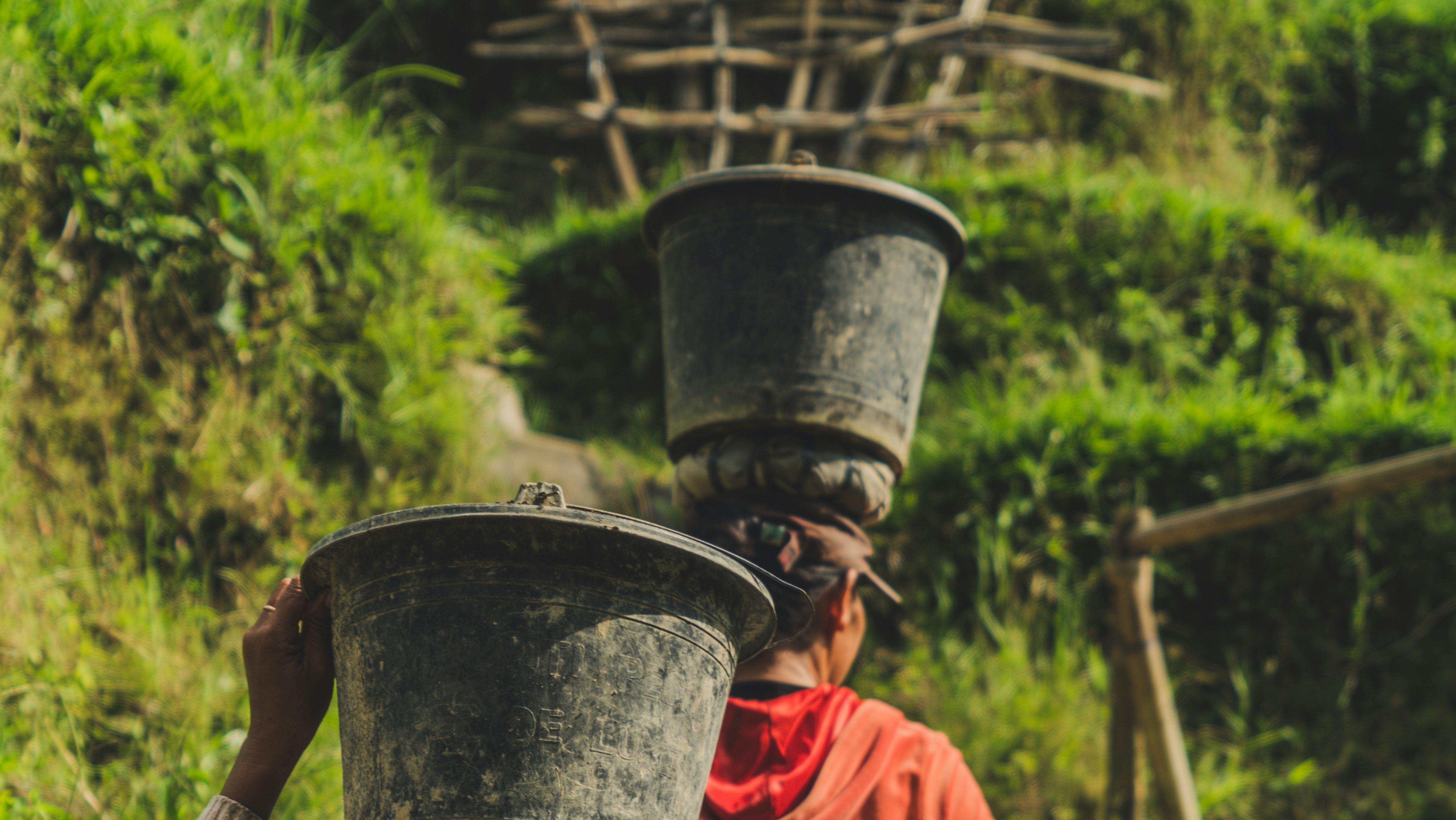
To relate it more closely to Indonesia, I have gathered some examples where ecofeminism is being advocated.
- Indonesia is highly vulnerable to the impacts of climate change, including sea-level rise, extreme weather events, and shifts in precipitation patterns. Women living near the coast are hit hardest because they often take care of families, get water and food, and hold onto important knowledge passed down through generations. In response, women-led initiatives are emerging to build resilience and adapt to climate change. For example, the Women’s Union of Pangandaran, a coastal community in West Java, engages in mangrove reforestation projects to mitigate the impacts of coastal erosion and storm surges, while also creating alternative livelihood opportunities for women, such as ecotourism and handicraft production.
- Organizations like the Indonesian Women Farmers Association (Asosiasi Petani Wanita Indonesia, APWI) empower women farmers to adopt organic farming methods, agroforestry, and seed saving initiatives. By promoting ecologically sound agricultural practices, these cooperatives not only enhance food security and resilience to climate change but also challenge conventional models of agricultural production that rely on chemical inputs and monocropping, which often degrade the environment and harm human health.
- Indigenous women, in particular, play crucial roles in traditional forest stewardship practices. For example, in the forests of West Kalimantan, Dayak women have historically been responsible for managing community forests and preserving biodiversity. Through their intimate knowledge of local ecosystems and sustainable harvesting techniques, Indigenous women contribute to both environmental conservation and cultural resilience.

In a world grappling with climate change, biodiversity loss, and social inequality, ecofeminism offers a holistic framework for addressing interconnected crises. By centering the voices and experiences of women, particularly those from marginalized communities, ecofeminism provides insights into sustainable solutions that prioritize social justice, environmental protection, and community resilience. By promoting values of cooperation, reciprocity, and respect for nature, ecofeminism offers a compelling alternative to the extractive and exploitative practices that have characterized industrial capitalism.
 Cinthya
Leave a comment