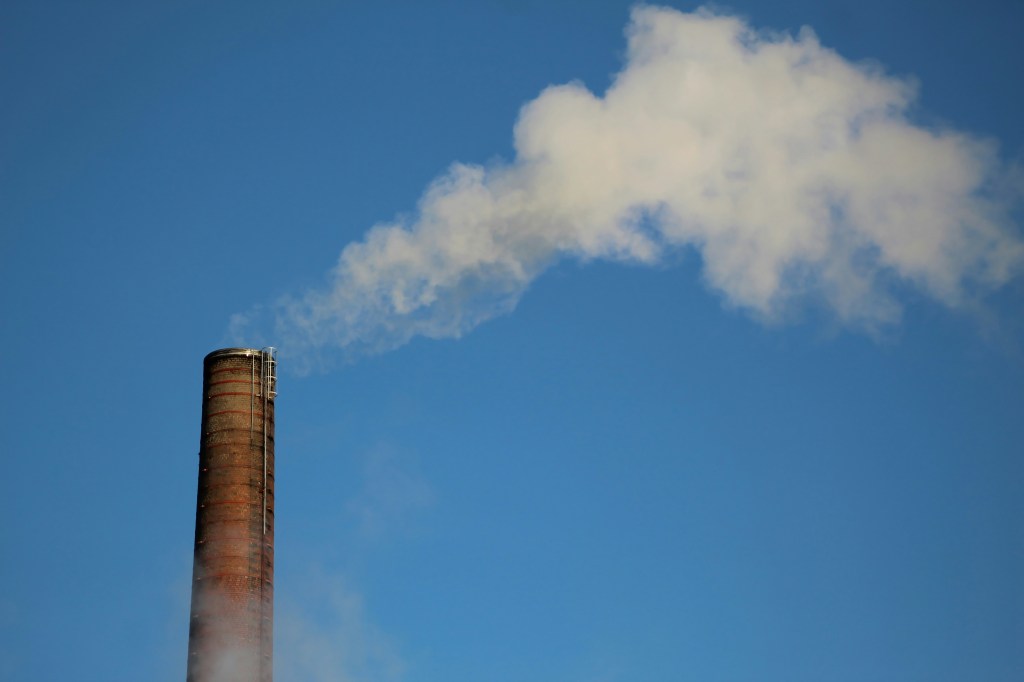
Climate change is one of the most pressing issues of our time, and we would know how to act better when we understand about the source of greenhouse gases that impact climate change. These emissions trap heat in the atmosphere, leading to global warming. I want to breakdown some of the largest sources of greenhouse gas emissions, compare their impacts, and discuss actionable steps that individuals, companies, and governments can take to reduce them.
Major Contributors to Global Greenhouse Gas Emissions
- Energy Sector
- Electricity and Heat Production: This sector is the largest contributor, responsible for about 30.4% of global greenhouse gas emissions. The primary sources are fossil fuels like coal, oil, and natural gas used in power plants. Transitioning to renewable energy sources like wind, solar, and hydroelectric power can significantly reduce emissions in this sector
- Transportation: Accounting for approximately 16.2% of global emissions, transportation emissions primarily come from the combustion of fossil fuels in cars, trucks, ships, trains, and planes. Electric vehicles and improved public transportation systems are vital solutions.
- Industry: Industrial processes contribute around 24.2% of global emissions, including energy used in manufacturing and construction. Cement production, chemical manufacturing, and metal processing are significant sources within this sector. Enhancing energy efficiency and adopting cleaner technologies can mitigate these emissions.
- Agriculture, Forestry, and Other Land Use (AFOLU)
- This sector is responsible for about 18.4% of global emissions. Key sources include methane from livestock, nitrous oxide from fertilized soils, and carbon dioxide from deforestation and soil degradation. Sustainable farming practices, reforestation, and improved land management can help reduce emissions from this sector.
- Waste
- Waste management, including landfills and wastewater, accounts for about 3.2% of global emissions. Methane is a significant emission from decomposing organic waste in landfills. Improved waste management practices and recycling can reduce these emissions.
- Fugitive Emissions
- Fugitive emissions from the extraction, processing, and transport of fossil fuels contribute about 5.8% of global emissions. This includes methane leaks during oil and gas extraction and coal mining. Enhanced monitoring and maintenance of infrastructure can minimize these emissions.

Comparison of Emission Sources
So that it’s easier for us to understand see the comparison of the contributions of different sectors to global greenhouse gas emissions:
| Sector | Percentage of Global Emissions |
|---|---|
| Electricity and Heat Production | 30.4% |
| Industry | 24.2% |
| Transportation | 16.2% |
| Agriculture, Forestry, and Land Use | 18.4% |
| Waste | 3.2% |
| Fugitive Emissions | 5.8% |
Examples of Emissions in Daily Life by Sector
- Electricity and Heat: Most households rely on electricity for lighting, heating, cooling, and appliances. If the electricity is generated from fossil fuels, each kilowatt-hour consumed contributes to CO2 emissions.
- Transportation: Personal vehicles, public transportation, and goods transportation all rely heavily on fossil fuels. Each gallon of gasoline burned emits about 8.89 kg of CO2. Now it’s a matter of choices in using which kind of transportation for specific needs.
- Industry: Products like cement and steel used in construction, chemicals in everyday products.
- Agriculture: Meat and dairy consumption, use of nitrogen-based fertilizers.
- Waste: Organic waste in landfills, wastewater treatment processes.
What Can We Do?
For Individuals
- Energy Choices: Use energy-efficient appliances, switch to LED bulbs, and insulate your home to reduce heating and cooling needs. If possible, install solar panels or choose a green energy plan from your utility provider.
- Choose Alternative Transportation : Opt for public transportation, carpooling, biking, or walking instead of driving alone. When traveling for a long distance, consider some other options like bus, train, ship, rather than just thinking about airplanes.
- Better Eating Behavior: Reducing meat and dairy consumption can lower methane emissions. Finish the food and separate food waste from other types of waste.
- Waste Management: 11 million tonnes of waste in Indonesia is unmanaged. Biggest contributor of waste in Indonesia comes from food waste, then plastic waste. And biggest source contributor comes from household. So it’s important for us to separate our waste and ensure it goes managed and recycled whenever possible.
For Companies
- Improve Energy Efficiency: Invest in energy-efficient technologies and practices to reduce energy consumption. This includes but not limited to transition to renewable energy when possible and if relevant.
- Optimize for Recycling: For some relevant companies that produce different types of waste, always aim and plan for post production impacts.
- Sustainable Supply Chains: Work with suppliers who practice sustainable agriculture and manufacturing.
- Offset Emissions: Invest in carbon offset projects to balance out unavoidable emissions.
For Governments
- Implement Regulations: Enforce regulations to limit emissions from power plants, vehicles, and industries.
- Invest in Renewable Energy: Provide incentives for the development and adoption of renewable energy sources.
- Protect Forests: Implement policies to prevent deforestation and promote reforestation.
- Support Research: Fund research into new technologies and practices that reduce GHG emissions.
Individuals, companies, and governments all have a role to play in creating a sustainable future. By working together and making conscious choices, we can significantly reduce our carbon footprint and mitigate the effects of climate change.
 Cinthya
Leave a comment