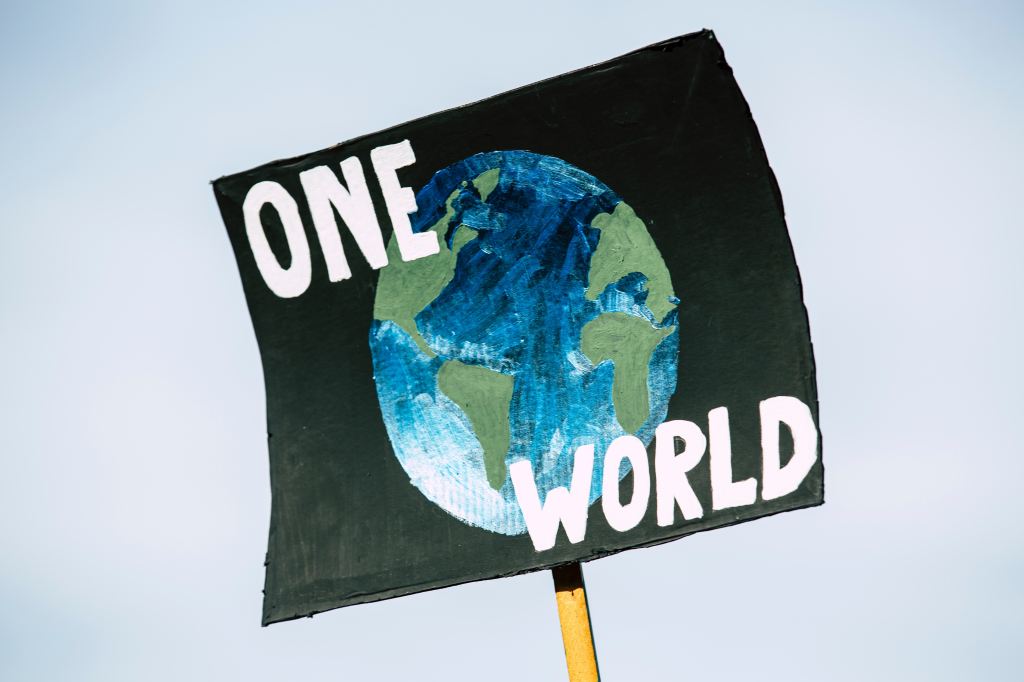
In recent years, issues related to climate change, the environment, and the broader concept of sustainability have gained significant social traction. This heightened awareness has attracted the attention of governments, corporations, and various civil entities. The shift from Millennium Development Goals (MDGs) to Sustainable Development Goals (SDGs) has prompted a global push towards collaborative efforts. The United Nations (UN) is actively steering these goals, fostering agreements and partnerships among nations. Collaborations extend to influential figures and corporate entities within countries, working together to implement impactful solutions.
Despite this progress, the increased focus on environmental issues has also given rise to various misconceptions. Some of these misconceptions, if left unaddressed. I believe it’s crucial to address them for a clearer perspective. Frequently, in discussions with friends, debates arise about the greenness of choices and whether one has done their part. Explaining why certain choices may not be sufficient or truly green isn’t always straightforward. The nuances often hinge on why a specific choice was made, how products are disposed of, or the frequency of engaging with certain materials. In this piece, I aim to address common points from these conversations, offering clarity on why one option may not necessarily be better than another.

- Paper vs. Plastic
The paper vs. plastic debate often oversimplifies a complex issue. The sustainability choice depends on various factors – production, usage, and disposal. For instance, a paper that is produced irresponsibly and being used with a lot of inked that is thrown away in a mixed trash bin can cause worse environmental impacts compared to controlled production and disposal of plastic. It is really not just about the material, it’s the overall consumption. - Recycling Being The Key
Recycling is a vital step, but it’s not a magical solution. True waste reduction involves a hierarchy: reduce, reuse, and then recycle. Not all materials make the recycling cut, and contamination poses a significant challenge. Recycling also takes energy to process and another waste left behind. Reduce first! - Eco-Friendly Products
Many products are marketed as eco-friendly without robust environmental benefits. It is crucial to look beyond labels, consider the entire lifecycle of the product. Any products that state they have less carbon footprint still leave carbon footprint when you decide to consume it. Always prioritize reducing overall consumption first. - Biodegradable Plastics
Biodegradable plastics sound promising, but their breakdown depends on specific conditions. In certain environments, they may persist. Effective waste management systems are essential for their proper disposal. - Electronics and Energy Conservation
Turning off electronics is a commendable step, yet standby power remains a sneaky energy drain. Unplugging devices or using smart power strips emerges as a more effective strategy. The same behavior is expected even when you use green energy, because nothing would be sustainable if we overuse it. - The Trendy Electric Cars
Electric cars are celebrated for their zero-emission promise, but the manufacturing process and battery materials carry environmental implications. The overall carbon footprint hinges on the energy mix used in production. As long as fossil fuel remains the main energy source, electric vehicles can’t be an aggressive movement to better environmental impacts. - Thrift Clothes
Thrift clothes, while a sustainable option, may not be a one-size-fits-all solution. In Indonesia, the environmental impact of transporting a significant portion of thrift items must be considered. Supporting local sustainable fashion could be a viable alternative.
Debunking these myths may seem like navigating a complex terrain, but let’s simplify it together. It starts with a mindset shift – reducing our consumption, reusing whenever possible, and recycling wisely for things we genuinely need. By focusing on our lifestyle, behaviors, and the choices we make every day, we contribute collectively to a healthier planet. Remember, small actions, when multiplied, can create substantial positive impacts. Our personal conscious choices don’t only contribute to positive impacts directly but help to make bigger sound to big corporations and government to also together take more conscious actions.
 Cinthya
Leave a comment