Even though I may have seemed confident on the outside, the truth is, it’s been a big struggle. Growing up where supportive surroundings were rare to find, my successes were often brushed off or doubted. When I got low scores on school tests, it was normal. When I got better scores, I was lucky.
For at least half of my life, I genuinely believed I was born lacking in intelligence and skills. No matter how diligently I studied or how hard I worked, recognition always felt just out of reach. Even when I accomplished something, I couldn’t shake the feeling that it wasn’t genuine success. I kept reassuring myself, “Surely, I can’t be that incompetent, can I? There must be something of value within me.” I pushed myself to the brink, stepping far beyond my comfort zone, yet still, I couldn’t seem to earn validation from those closest to me.
Back in junior high, I remember doing pretty poorly on an English test. To make things worse, my teacher wrote ‘DUMB’ on my paper. Yeah, it wasn’t great. But instead of letting it get me down, I decided to prove him wrong. Then came the English debate. Let’s just say it didn’t go too well. Separately, in various situations, people also corrected my pronunciation, and they sometimes laughed at how I used wrong expressions. I wasn’t ready to give up. I read English books, watched movies without subtitles, and practiced speaking in front of the mirror until I got it right. Today, people often assume that I studied abroad or attended an international school, but the truth is, I didn’t. Despite this, I still struggle with feeling inadequate and constantly compare myself to others, feeling like I need to keep learning just to keep up. It’s a never-ending cycle of striving for more and never feeling like I’m enough. The English language struggle was not the only shameful one I had.
During my time at university, I embarked on a journey of creating a community from scratch. We started with nothing, but through determination and hard work, we managed to secure donations and organize events that captivated not just the university, but the entire district area as well. Our activities and events brought together hundreds of students, and we even garnered support from the university’s owner.

Despite these achievements, there’s a part of me that struggles with feeling proud. Maybe it’s because I question whether what we did was truly meaningful. Were our activities just ordinary? Was our talk show nothing special? These doubts linger, but deep down, I know I should be proud of what we accomplished, no matter how big or small. It’s a constant battle between pride and self-doubt, but I’m working on embracing the achievements for what they are: a testament to our hard work and dedication.

In the early stages of my career, I thought I accomplished something good. I achieved the project targets and even selected for global youth leadership training. However, rather than receiving words of encouragement and support from those closest to me, I was met with doubt after doubt. But you know what? Every stumble, every setback, only made me more determined.

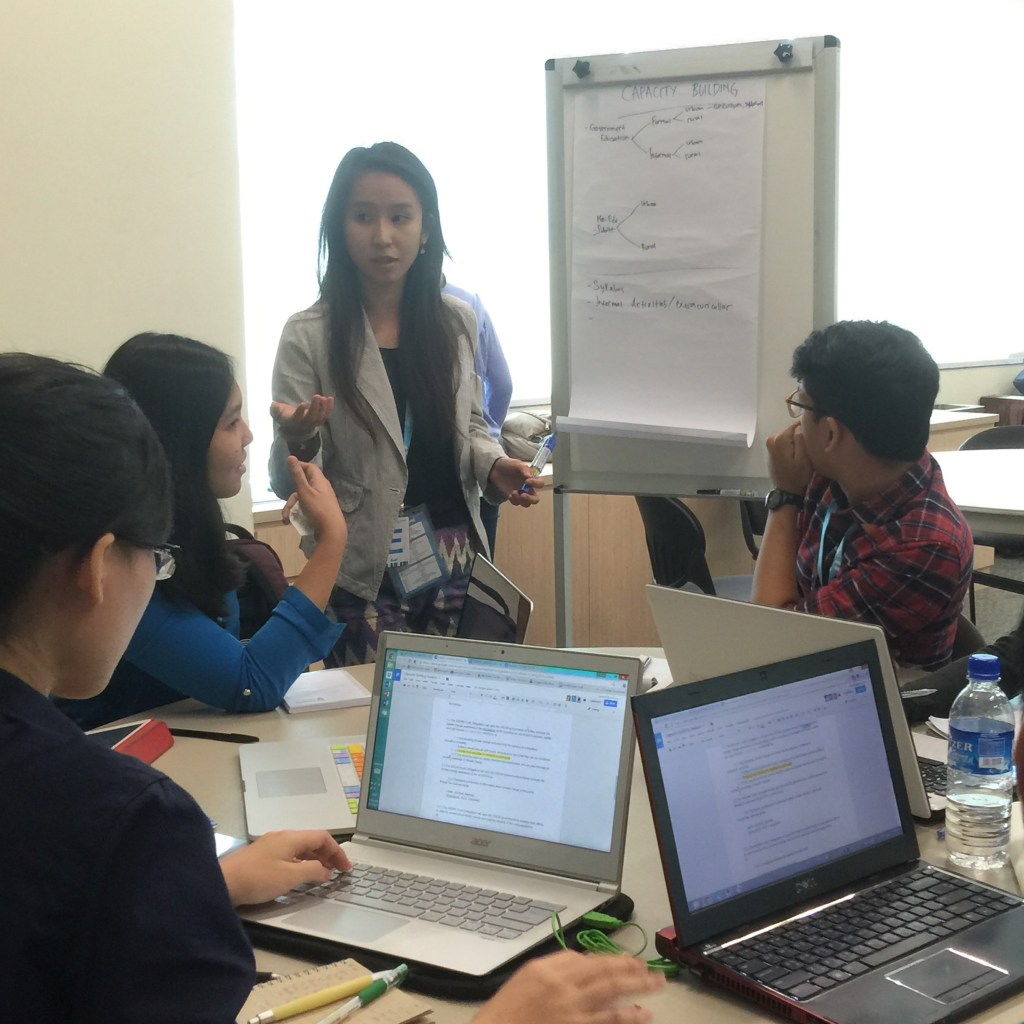
When faced with failure, I knew exactly what I needed to do: learn from it and work even harder. But when I succeeded and received compliments from friends and colleagues, I didn’t quite know how to take it. Instead of embracing the praise, I found myself questioning how it could even be possible. It felt like luck more than anything else.

As I’m putting these words down, I’m realizing something about myself: I often find myself seeking validation from others, whether I’m aware of it or not. Don’t get me wrong, validation can be important. But it shouldn’t define me. Even when people offer compliments and praise, I catch myself questioning their sincerity. I tend to value criticism more, which isn’t necessarily a bad thing. But I also know it’s not healthy to constantly focus on criticism alone. I need to remind myself that compliments and praise are valuable too. It’s all about finding the right balance and learning to trust in my own worth, regardless of what others may say.
It wasn’t until my late twenties that I came to realize I might be struggling with imposter syndrome. Despite being known as a highly ambitious woman and a high achiever, I felt the pressure (from myself) to make a significant impact every day. However, my definition of impactful often differed from that of others. While my colleagues might see me as a high contributor, I viewed myself the other way around. For the longest time, I chased after constant improvement, feeling like it was a never-ending project.
Internal dialogue that usually happens within me:
- Did I do it right? Was it a success?
- It is almost impossible I made that happened, it must be luck.
- I thought it was good, but no one said anything. It must be nothing.
- I know for sure that praise was just a kind and formal gesture.
- If it was truly good, everyone should give the compliment. But not everyone said it, so…
- People come to me because I work hard, not because I work smart.
- They like my energy and work ethics, but they won’t trust my competencies. Proven that they always question my thoughts.
- If one person in this world can do this, so can I! I should learn and practice this.
These thoughts are some of the examples and they still come and go in my head. Constant reminder for myself is required. While I am still a work in progress, but I’ve reached a point where I’m actively learning to let go, especially when it comes to things beyond my control. Instead of constantly questioning why I’m not good enough or capable enough, I’m gradually accepting and embracing my imperfections. More and more, I find myself reflecting on my feelings and emotions. I ask myself tough questions: “Why do I feel this way? Can I control it? Am I hindering myself with negative thoughts? Are these feelings originating from within or influenced by external factors? Why do I seek validation, and what if I don’t receive it? What do I need to move forward? Ultimately, I remind myself to focus on what truly matters for my future growth and well-being.”
I am also grateful that I am surrounded by friends who often remind me of how far I’ve come and the impacts I’ve made. It’s a journey, but I’m slowly learning to be kinder to myself and appreciate my accomplishments without constantly seeking validation from others.
 Cinthya
Leave a comment